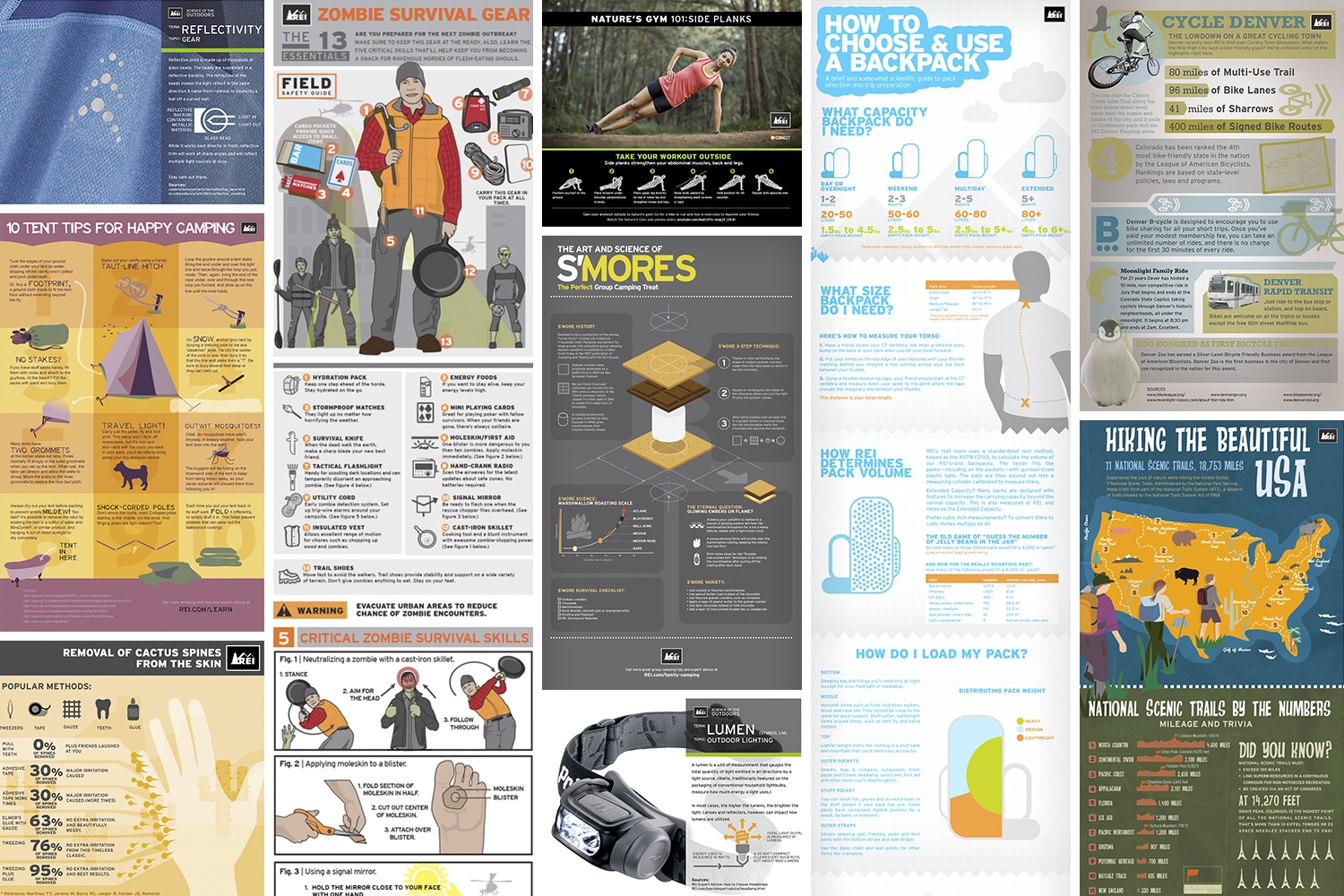
Understanding the art of tent throwing may not appear as amazing as discovering a brand-new trail, but it's a crucial part of a comfy camping experience. A couple of usual blunders - failing to remember the rainfly, or not attaching it properly - can spell disaster when the weather condition transforms poor.
Practice prior to heading out to make certain you understand how your certain rainfly affixes and how to tension it. Also, make the effort to check out the handbook for your outdoor tents.
Very Carefully Select Your Camping Area
Your tent is your home for the evening and you need to select a camping site thoroughly. Be particularly wary of areas where water drains due to the fact that it can easily channel right into your shelter or flood your resting area. Try to find high ground when possible.
Watch out for leaning or dead snags that can fall on your camping tent throughout a tornado (my tramily passionately refers to these as widowmakers). Take into consideration the surface shapes and wind conditions, too. Seek a site away from a canyon or hill gully where chilly air sinks and develops high katabatic winds.
Once you have actually located your suitable place, rest and evaluate out the convenience degree of your sleeping setting prior to relocating. If the ground is wet, dig a trench around your sanctuary to divert rain far from its walls and minimize splashback and mud. And, finally, make certain to check the zippers, clips and Velcro closures on your outdoor tents and the rainfly to see to it they're securely seated.
Deploy the Rain Fly Properly
Among the very best ways to make sure that your rain fly is pitched effectively is to check all the zippers and closures prior to you "move in" for the evening. You should likewise ensure that all of the individual lines are shown and placed correctly, also. A brand-new technique I have actually been trying is to connect each side of the rainfall fly to a tree initially after that run a cord with the ring at that end completely around the tree and back via the ring at that end to keep it from splashing and drooping.
Firmly Stake Your Outdoor Tents
The last action is to effectively secure your tent. The most common blunders here are not driving the stakes to complete depth or making sure that the individual lines are snugly tensioned and distributed evenly around the tent.
Make sure that all risks are driven in at least 6 inches of soil to guarantee great holding power. When it comes to genuinely severe wind-- and this is not unusual in high alpine or seaside websites-- double-staking the windward edges may be necessitated to increase stability.
Numerous high quality camping tents include stake loopholes and person line attachment factors on the ridgeline, mid-wall and corner areas for this purpose. Make the effort to thread and link this cord before establishing camp rather than trying to do it under the stress of wind or rainfall. Lastly, see to it that the guy lines are well tensioned to disperse the tons throughout sustainable bag the entire of the camping tent and avoid them from sliding under pressure.